Gas Billing Services: How Gas Providers Make Paying Bills Easier
Welcome, dear readers! Have you ever found yourself feeling frustrated with the process of paying your gas bills? Gas billing services are here to make your life easier. Gas providers have streamlined the process of paying bills, offering a variety of convenient options for customers. Gone are the days of writing paper checks and mailing them in – now, you can pay your gas bills online or even set up automatic payments. Let’s take a closer look at how gas providers are making it simpler than ever to manage your gas bills.
Understanding the Gas Billing Process
Gas billing services are essential for ensuring that consumers are charged accurately for the gas they use in their homes or businesses. The process of gas billing involves several steps that help to determine the amount of gas consumed and the corresponding charges.
The first step in the gas billing process is the installation of a gas meter at the consumer’s premises. The gas meter measures the amount of gas passing through the pipes and records it in units of measurement such as cubic feet or cubic meters. This information is essential for calculating the total gas consumption for a given period.
Once the gas meter is installed, consumption readings are taken regularly to monitor the usage. This can be done manually by a meter reader who visits the premises or automatically through a remote reading system. Regular readings are crucial for accurate billing and ensuring that consumers are charged based on their actual gas consumption.
After the consumption readings are obtained, the next step in the gas billing process is the calculation of the gas charges. This involves multiplying the total gas consumption by the unit rate of gas specified by the gas provider. Additional charges such as taxes and service fees may also be included in the final bill.
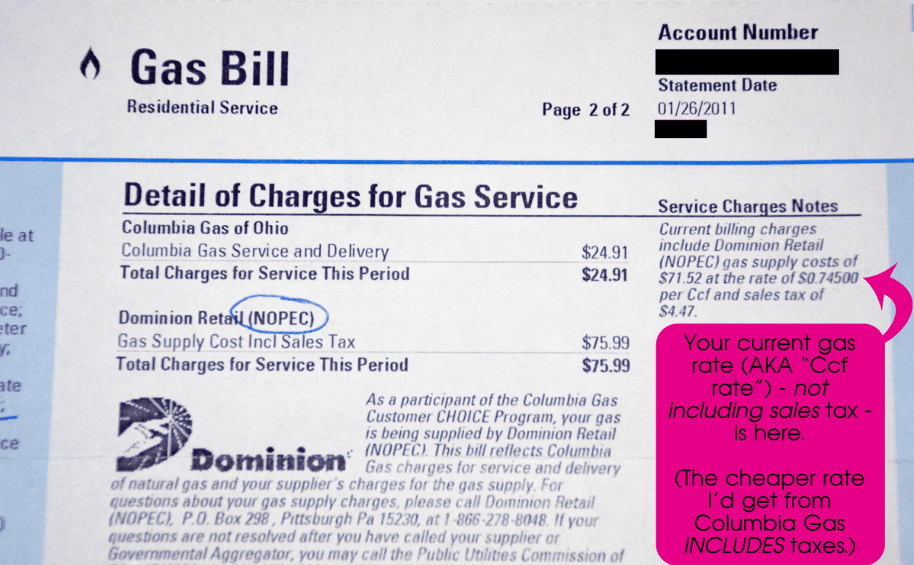
Once the gas charges are calculated, the billing statement is generated and sent to the consumer. The bill typically includes details such as the billing period, gas consumption readings, unit rates, total charges, and payment due date. Consumers are encouraged to review their bills carefully to ensure accuracy and report any discrepancies to the gas provider.
In addition to traditional paper bills, many gas providers also offer online billing services for added convenience. Consumers can view and pay their bills online, set up automatic payments, and track their gas consumption through online portals or mobile apps. This digital convenience has made it easier for consumers to manage their gas bills and stay on top of their payments.
Finally, the last step in the gas billing process is payment collection. Consumers are required to pay their gas bills by the due date to avoid late payment fees or service disruptions. Payment options typically include online payments, bank transfers, check payments, or in-person payments at designated locations.
Overall, understanding the gas billing process is essential for consumers to manage their gas usage effectively and ensure timely payments. By familiarizing themselves with the steps involved in gas billing, consumers can avoid surprises on their bills and make informed decisions about their gas consumption.
Efficient Ways to Pay Your Gas Bill
When it comes to paying your gas bill, there are several efficient ways to ensure that you stay on top of your payments and avoid any late fees. One of the easiest methods is to set up automatic payments with your gas provider. By linking your bank account or credit card to your gas bill, the payment will be deducted automatically each month on the due date. This eliminates the need to remember to make a payment and reduces the risk of missing a payment deadline.
Another convenient way to pay your gas bill is through online payment portals. Most gas providers offer online platforms where you can easily log in, view your bill, and make a payment. These portals are user-friendly and allow you to pay your bill securely from the comfort of your own home. Many providers also offer mobile apps that provide the same functionality, allowing you to pay your bill on the go. Online payments are quick, efficient, and provide an instant confirmation of payment.
If you prefer more traditional methods of payment, you can always pay your gas bill in person at a designated payment location. Gas providers often have payment centers where you can drop off a check or cash to settle your bill. Additionally, many grocery stores, convenience stores, and financial institutions offer bill payment services where you can pay your gas bill along with other bills in one convenient location. While paying in person may require a bit more effort, it can be a good option if you prefer to pay with cash or prefer face-to-face interaction.
For those who prefer to pay their bills by mail, gas providers typically provide the option to send a check or money order through the postal service. When mailing your payment, be sure to allow enough time for the payment to reach the provider by the due date to avoid any late fees. It’s also a good idea to keep a record of your payment and consider using a tracking service to ensure that your payment is received in a timely manner.
Lastly, some gas providers offer the option to pay your bill over the phone. By calling a designated payment line, you can provide your payment information and settle your bill over the phone. While this method can be convenient for those who prefer not to use online platforms, be aware that some providers may charge a fee for phone payments. It’s important to check with your provider to understand any potential fees associated with paying your bill over the phone.
Overall, there are several efficient ways to pay your gas bill, whether you prefer automatic payments, online portals, in-person payments, mailed payments, or phone payments. Choose the method that works best for you to ensure that your gas bill is paid on time and avoid any unnecessary fees or service disruptions.
Benefits of Online Gas Billing Services
Gas billing services can be a hassle for both consumers and gas companies. However, with the rise of online gas billing services, many benefits have emerged for both parties. Online gas billing services offer convenience, accessibility, and efficiency that traditional paper billing methods simply cannot match. Here are three key benefits of using online gas billing services:
1. Convenience: Online gas billing services provide a level of convenience that is unmatched by traditional paper billing methods. Instead of waiting for a paper bill to arrive in the mail, consumers can now access their gas bills online at any time. This means that consumers no longer have to worry about misplaced or lost bills, as all billing information is stored securely online. Additionally, online gas billing services allow consumers to pay their bills quickly and easily with just a few clicks of a button, eliminating the need to write and mail physical checks.
2. Accessibility: With online gas billing services, consumers can access their billing information from anywhere with an internet connection. This means that consumers no longer have to be at home to review their gas bills, as they can simply log in to their online account from their smartphone, tablet, or computer. This level of accessibility is especially helpful for consumers who travel frequently or have busy schedules, as it allows them to stay on top of their gas bills no matter where they are.
3. Efficiency: One of the biggest benefits of online gas billing services is the efficiency that they provide. Online billing systems automate many of the processes involved in sending out bills, processing payments, and updating account information. This not only saves time for gas companies, but also reduces the likelihood of errors that can occur with manual billing methods. Additionally, online gas billing services can help consumers track their gas usage more accurately, allowing them to make more informed decisions about their energy consumption and potentially save money on their gas bills in the long run.
Overall, online gas billing services offer a wealth of benefits for both consumers and gas companies. From increased convenience and accessibility to improved efficiency, online gas billing services are quickly becoming the preferred method of managing gas bills for many individuals and businesses. If you haven’t already, consider switching to an online gas billing service today to start enjoying these benefits for yourself.
How Gas Providers Calculate Your Bill
Gas providers use a variety of factors to calculate your monthly bill. These factors include the amount of gas you have consumed, the current price of gas, and any additional fees or charges. Here is a breakdown of how gas providers calculate your bill:
1. Gas Consumption: The primary factor that determines your gas bill is the amount of gas you have consumed during the billing period. Gas consumption is usually measured in cubic feet or cubic meters, depending on your location. Gas meters are used to measure the volume of gas that has been used, and this information is then used to calculate your bill.
2. Price of Gas: The price of gas is another important factor in determining your monthly bill. Gas providers charge customers based on the current market price of gas. This price can fluctuate depending on a variety of factors, including supply and demand, weather conditions, and geopolitical events. Gas providers may adjust their rates periodically to reflect changes in the market price of gas.
3. Delivery Charges: In addition to the cost of the gas itself, gas providers may also charge delivery fees to cover the cost of transporting gas to your home. These delivery charges are usually calculated based on the distance between your home and the nearest gas pipeline or distribution center. Delivery charges are typically included in your monthly bill and can vary depending on your location and the gas provider.
4. Additional Fees: Gas providers may also add additional fees or charges to your bill, such as service fees, administrative fees, or late payment fees. Service fees are typically charged to cover the cost of maintaining gas pipelines, meters, and other infrastructure. Administrative fees may be charged to cover the cost of processing your bill and handling customer inquiries. Late payment fees are applied if you fail to pay your bill on time. It is important to carefully review your bill each month to understand all the charges included and to contact your gas provider if you have any questions or concerns about the fees.
5. Taxes and Surcharges: Gas bills may also include taxes and surcharges imposed by local or state governments. These taxes and surcharges are usually calculated as a percentage of your total bill and are collected by the gas provider on behalf of the government. The exact amount of taxes and surcharges can vary depending on where you live and the specific regulations in place.
Overall, understanding how gas providers calculate your bill can help you better manage your energy expenses. By paying attention to factors such as gas consumption, price of gas, delivery charges, additional fees, taxes, and surcharges, you can gain insight into your energy usage and take steps to reduce your gas bill. If you have any questions about your gas bill or need assistance with understanding the charges, don’t hesitate to contact your gas provider for more information.
Tips for Monitoring Your Gas Usage and Billing
Monitoring your gas usage and billing can help you to better understand your energy consumption and take steps to reduce your costs. Here are some tips to help you keep track of your gas usage and billing:
1. Check your meter regularly: One of the best ways to monitor your gas usage is to check your meter regularly. By keeping an eye on your meter readings, you can track how much gas you are using and identify any sudden increases in usage that may indicate a leak or a faulty appliance.
2. Keep track of your usage: Make it a habit to record your meter readings regularly. This will help you to monitor your gas usage over time and identify any patterns or trends in your consumption. By keeping track of your usage, you can also compare your current usage to previous months and see if there are any changes that need to be addressed.
3. Set usage goals: To help reduce your gas consumption and lower your bills, consider setting usage goals for yourself. This could be as simple as trying to use less gas each month or setting specific targets for different appliances in your home. By setting goals, you can make a conscious effort to reduce your energy consumption and be more mindful of how you use gas in your daily life.
4. Use energy-efficient appliances: Investing in energy-efficient appliances can help you to lower your gas usage and reduce your bills. Look for appliances that have a high energy star rating and are designed to be more efficient in their use of gas. By using energy-efficient appliances, you can save money on your gas bills and reduce your overall energy consumption.
5. Utilize smart technology: One of the best ways to monitor your gas usage and billing is to utilize smart technology. There are now a wide range of smart meters and sensors available that can help you to track your gas usage in real-time and receive alerts if there are any unusual spikes in consumption. By using smart technology, you can take control of your energy usage and make informed decisions about how to reduce your gas bills.
Originally posted 2024-10-11 11:57:12.