Welcome to the ultimate guide to revolutionizing energy with gas providers! Gas energy solutions have been gaining popularity for their efficiency and environmental benefits. In this comprehensive guide, we will explore the various ways gas providers are changing the energy game, from cleaner fuel options to innovative technology. Whether you’re looking to reduce your carbon footprint or simply lower your energy bills, gas providers have the solutions you need to power your home or business. Join us as we dive into the world of gas energy and discover the endless possibilities that await!
The Benefits of Gas Energy Solutions
Gas energy solutions offer numerous benefits for both individuals and businesses looking to reduce their carbon footprint and energy costs. One of the primary advantages of using gas as an energy source is its cleanliness. Compared to traditional sources of energy such as coal or oil, gas produces significantly fewer greenhouse gas emissions, making it a more environmentally friendly option. This is especially important in today’s world where climate change is a pressing issue.
Additionally, gas energy solutions are highly efficient, meaning that they can generate more energy with less fuel. This not only reduces operational costs but also helps conserve natural resources in the long run. The efficiency of gas energy solutions also translates to cost savings for consumers, as they can enjoy lower energy bills compared to using other energy sources.
Another key benefit of gas energy solutions is their reliability. Gas is readily available and can be stored in large quantities, ensuring a constant and dependable energy supply. This is particularly crucial for businesses that rely on uninterrupted power to maintain operations. Gas energy solutions can provide a more stable energy source compared to renewable energy options like wind or solar power, which can be intermittent depending on weather conditions.
Furthermore, gas energy solutions are versatile and can be used in a variety of applications, from heating and cooling to electricity generation. This flexibility allows individuals and businesses to tailor their energy solutions to meet their specific needs and preferences. Whether it’s powering a residence or an industrial facility, gas energy solutions can be customized to provide reliable and efficient energy.
In addition to their environmental and economic benefits, gas energy solutions also play a crucial role in supporting energy security. By diversifying energy sources and reducing dependence on foreign oil, gas energy solutions help enhance energy independence and mitigate geopolitical risks. This is particularly relevant in regions where energy supply chains are vulnerable to disruptions or political instability.
Overall, gas energy solutions offer a wide range of benefits that make them a compelling choice for individuals and businesses looking to reduce their environmental impact, lower energy costs, and enhance energy security. With their cleanliness, efficiency, reliability, versatility, and contribution to energy security, gas energy solutions are a sustainable and cost-effective option for meeting energy needs in a rapidly changing world.
Cost-Effective Gas Energy Solutions
Gas energy solutions offer a cost-effective and efficient way to meet your energy needs. Compared to traditional energy sources like coal or oil, gas is often more affordable and cleaner, making it a popular choice for businesses and homeowners alike. Whether you are looking to reduce your energy bill or decrease your carbon footprint, gas energy solutions provide a sustainable and economical option.
One of the most cost-effective gas energy solutions is natural gas, which is widely available and relatively inexpensive. Natural gas can be used for heating, cooking, and even generating electricity, making it a versatile choice for both residential and commercial applications. In addition to its affordability, natural gas is also considered a clean-burning fuel, producing fewer emissions than other fossil fuels.
Another cost-effective gas energy solution is the use of propane, which is commonly used for heating homes and businesses in rural areas. Propane is a byproduct of natural gas processing and is stored in tanks for use as a fuel source. Due to its high energy content, propane is an efficient way to heat your home or business, saving you money on your energy bills in the long run.
For businesses looking to reduce their energy costs, combined heat and power (CHP) systems offer a cost-effective gas energy solution. These systems generate electricity and heat simultaneously, using gas as a fuel source. By capturing and utilizing waste heat, CHP systems can greatly increase energy efficiency and reduce overall energy costs for businesses.
In addition to the cost savings associated with gas energy solutions, many utility companies offer incentives and rebates for switching to gas. These incentives can help offset the initial cost of installing gas energy systems, making them even more affordable for consumers. By taking advantage of these programs, businesses and homeowners can save money while also reducing their environmental impact.
Overall, gas energy solutions provide a cost-effective and environmentally friendly way to meet your energy needs. Whether you are looking to reduce your energy bill or lower your carbon footprint, gas energy solutions offer a sustainable and economical option for homes and businesses alike.
Sustainable Gas Energy Solutions
When it comes to sustainable gas energy solutions, there are various technological advancements and practices that can be implemented to minimize the environmental impact of gas usage. One of the key strategies in achieving sustainable gas energy solutions is enhancing energy efficiency in gas-powered systems.
Energy efficiency can be improved by investing in high-efficiency gas appliances, such as condensing boilers and water heaters. These appliances are designed to extract more heat from the combustion process, resulting in reduced energy wastage and lower greenhouse gas emissions. Additionally, implementing smart energy management systems can optimize gas usage by adjusting consumption based on demand and usage patterns.
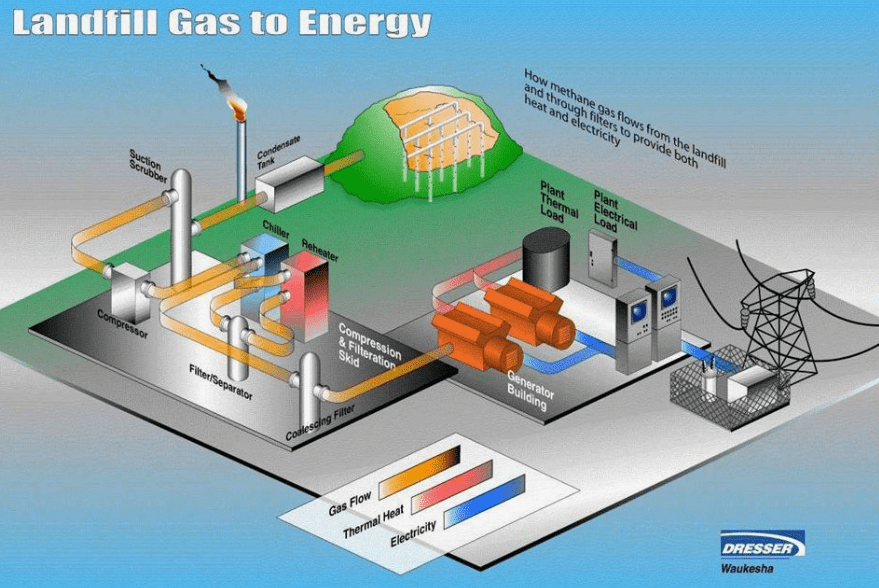
Another aspect of sustainable gas energy solutions is the integration of renewable gas sources, such as biogas and synthetic methane, into the gas supply mix. Biogas is produced through the anaerobic digestion of organic waste materials, while synthetic methane is created through the electrolysis of water and the subsequent methanation process. These renewable gas sources can help reduce reliance on fossil fuels and lower carbon emissions from gas consumption.
Furthermore, the implementation of carbon capture and storage (CCS) technologies can play a significant role in mitigating the carbon footprint of gas energy solutions. CCS involves capturing carbon dioxide emissions from gas-powered facilities and storing them underground to prevent their release into the atmosphere. By reducing greenhouse gas emissions, CCS can help gas energy solutions become more environmentally sustainable.
Lastly, promoting the use of green gas certificates and carbon offsetting programs can also contribute to the sustainability of gas energy solutions. Green gas certificates certify the origin of renewable gas sources, providing consumers with transparency and assurance that their gas consumption supports environmentally friendly practices. Carbon offsetting programs enable individuals and organizations to compensate for their carbon footprint by investing in projects that reduce greenhouse gas emissions, such as reforestation initiatives and renewable energy installations.
In conclusion, sustainable gas energy solutions involve a combination of energy efficiency improvements, renewable gas integration, CCS technologies, and carbon offsetting programs. By adopting these practices and technologies, the gas industry can minimize its environmental impact and contribute to a more sustainable energy future.
Renewable Gas Energy Sources
Renewable gas energy sources are becoming increasingly popular as the world shifts towards more sustainable energy options. These sources provide a clean and reliable alternative to traditional fossil fuels, helping to reduce carbon emissions and combat climate change. Here are some of the most promising renewable gas energy sources:
1. Biogas: Biogas is produced through the breakdown of organic matter such as food scraps, agricultural waste, and sewage in an anaerobic environment. This process, known as anaerobic digestion, produces methane gas that can be used as a renewable fuel for heating, electricity generation, and transportation. Biogas is considered carbon-neutral since the carbon dioxide released during its combustion is offset by the carbon dioxide absorbed by the organic matter during its growth.
2. Biomethane: Biomethane is a purified form of biogas that has been upgraded to a quality similar to natural gas. It can be injected into existing natural gas pipelines and used for heating, cooking, and transportation. Biomethane has the potential to replace a significant portion of fossil natural gas, reducing greenhouse gas emissions and supporting a more sustainable energy system.
3. Synthetic Natural Gas (SNG): SNG is a renewable gas produced through the methanation of hydrogen and carbon dioxide. This process, known as power-to-gas, uses excess renewable energy from sources such as wind and solar to produce hydrogen through electrolysis. The hydrogen is then combined with carbon dioxide to produce methane, which can be stored and used as a renewable fuel when needed. SNG can help to balance the intermittent nature of renewable energy sources and provide a reliable energy supply.
4. Pyrolysis Gas: Pyrolysis gas is produced through the thermal decomposition of biomass in the absence of oxygen. This process creates a mixture of gases, including methane, hydrogen, carbon monoxide, and other hydrocarbons, that can be used for heating, electricity generation, and as a feedstock for the production of biofuels and chemicals. Pyrolysis gas is a versatile renewable energy source that can help to reduce waste and lower greenhouse gas emissions.
Overall, renewable gas energy sources offer a promising pathway towards a more sustainable and environmentally friendly energy system. By harnessing the power of organic matter, synthetic processes, and innovative technologies, we can transition towards a cleaner and greener energy future. Investing in and supporting the development of renewable gas energy sources is crucial for reducing our reliance on fossil fuels and mitigating the impacts of climate change. By embracing these renewable energy solutions, we can create a more resilient and sustainable energy system for generations to come.
Energy Efficiency with Gas Solutions
When it comes to energy efficiency, gas solutions can offer a variety of benefits for residential, commercial, and industrial applications. Gas energy solutions are known for their reliability and efficiency in providing heating, cooling, cooking, and even generating electricity. Here are five ways gas solutions can help to improve energy efficiency in various settings:
1. Heating: Gas heating systems are known for their quick and consistent heat output, making them a popular choice for residential and commercial buildings. Gas furnaces and boilers are more energy-efficient compared to electric systems, as they can provide heat more quickly and cost-effectively. Gas heating systems also have a longer lifespan, reducing the need for frequent replacements.
2. Water Heating: Gas water heaters are known for their fast recovery times and lower operating costs compared to electric water heaters. Gas water heaters can heat water more quickly and efficiently, providing a constant supply of hot water for showers, washing dishes, and other household activities. This can lead to significant energy savings over time.
3. Cooking: Gas stoves and ovens are preferred by many chefs and home cooks for their precise temperature control and instant heat. Gas cooking appliances can help to reduce cooking times and save energy compared to electric alternatives. Gas cooktops and ovens are also known for their durability, making them a long-term energy-efficient choice for kitchens.
4. Cooling: Gas absorption chillers offer an efficient and environmentally friendly way to cool buildings. Absorption chillers use heat energy, such as waste heat from industrial processes or solar energy, to drive the cooling process. Gas absorption chillers can provide reliable cooling with lower electricity consumption compared to traditional electric chillers, helping to reduce overall energy costs.
5. Combined Heat and Power (CHP) Systems: One of the most innovative ways to improve energy efficiency with gas solutions is through the use of combined heat and power (CHP) systems. CHP systems, also known as cogeneration systems, simultaneously produce electricity and heat from a single fuel source, such as natural gas. By capturing and utilizing waste heat generated during electricity production, CHP systems can achieve total energy efficiencies of up to 80% or more.
CHP systems are widely used in industrial and commercial settings to reduce energy costs and greenhouse gas emissions. CHP systems can provide reliable power and heat for facilities such as hospitals, universities, and manufacturing plants, helping to increase overall energy efficiency and sustainability.
In conclusion, gas energy solutions offer a wide range of benefits for improving energy efficiency in heating, cooling, cooking, and electricity generation. Whether it’s through the use of gas heating systems, water heaters, cooking appliances, absorption chillers, or CHP systems, gas solutions can help to reduce energy consumption, lower operating costs, and promote sustainability in various applications.
Originally posted 2024-10-14 07:47:29.