Welcome to our roundup of the top industrial gas providers in the market! Whether you’re in need of oxygen, nitrogen, helium, or any other industrial gas, these companies have you covered with top-notch products and services. From large corporations to smaller suppliers, we’ve compiled a list of the best providers to help you make an informed decision for your business needs. Let’s dive in and explore the options available from the leading players in the industry.
Types of Industrial Gases
When it comes to industrial gases, there are a variety of different types that serve different purposes in various industries. These gases are essential for a wide range of applications, from welding and cutting to refrigeration and chemical processing. Understanding the different types of industrial gases and their uses can help businesses choose the right provider for their specific needs.
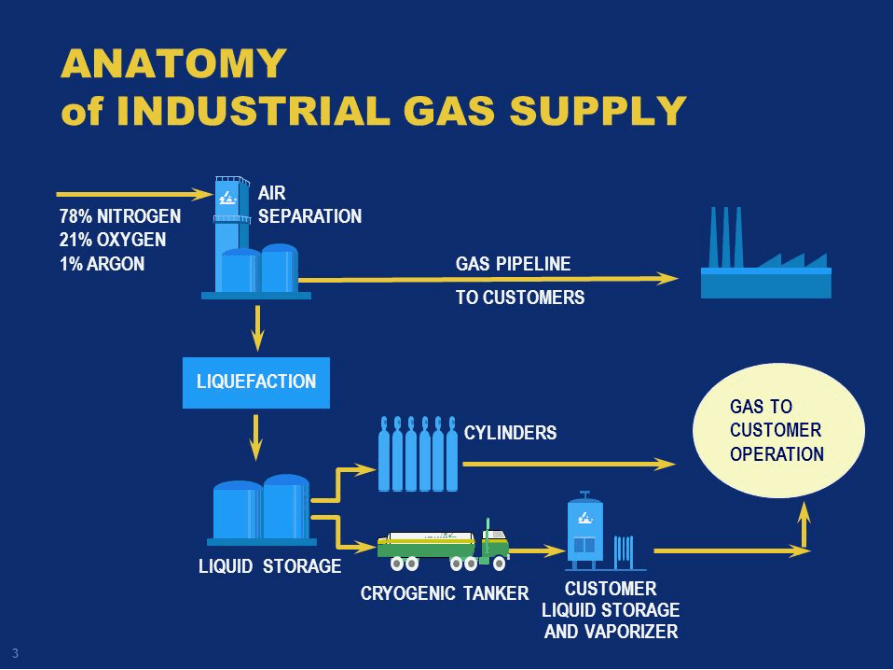
One common type of industrial gas is oxygen. Oxygen is used in a wide range of industrial processes, including metal cutting, welding, and brazing. It is also essential for combustion processes, such as in the production of steel and glass. Oxygen is often stored and transported in liquid form to save space and make handling easier.
Another important industrial gas is nitrogen. Nitrogen has a variety of uses, including as a blanketing gas to prevent oxidation in processes like metalworking and food packaging. It is also used in the production of electronic components and pharmaceuticals. Nitrogen is typically stored as a gas and delivered in compressed gas cylinders.
Carbon dioxide is another commonly used industrial gas. It has many applications, such as in welding, food and beverage production, and chemical manufacturing. Carbon dioxide is often used in its liquid form to save space and simplify storage and transportation.
Argon is a noble gas that is commonly used in processes where a non-reactive atmosphere is needed, such as in welding and metal processing. It is also used in the production of semiconductors and lighting. Argon is typically stored as a gas and delivered in compressed gas cylinders.
Hydrogen is another important industrial gas with a variety of uses. It is often used in the production of ammonia, methanol, and other chemicals. Hydrogen is also used in the production of electronics and as a fuel in fuel cells. Hydrogen is typically stored in its gaseous form and delivered in compressed gas cylinders.
Acetylene is a highly flammable gas that is commonly used in oxyacetylene welding and cutting processes. It is also used in chemical synthesis and as a fuel in certain applications. Acetylene is typically stored in acetone solvent in specialized cylinders to prevent decomposition.
These are just a few examples of the many types of industrial gases available. Each type of gas has its own unique properties and applications, making it important for businesses to work with a reliable industrial gas provider to meet their specific needs. By understanding the different types of industrial gases and their uses, businesses can ensure that they are using the right gas for their applications and processes.
Importance of Industrial Gas Providers in Manufacturing
Industrial gas providers play a crucial role in the manufacturing industry by supplying essential gases that are vital for production processes. These gases are used in a wide range of applications, from welding and cutting to heat treating and chemical processing. Without the reliable supply of industrial gases, many manufacturing operations would come to a halt, resulting in costly downtime and disruptions to production schedules. In this article, we will explore the importance of industrial gas providers in the manufacturing sector.
One of the main reasons why industrial gas providers are essential to manufacturing is their role in ensuring the safety and efficiency of production processes. Industrial gases such as oxygen, nitrogen, and hydrogen are used in various manufacturing processes to control the temperature, pressure, and chemical reactions involved in production. Without these gases, manufacturing operations would be unable to maintain the necessary conditions for the production of high-quality products.
In addition to providing essential gases for production processes, industrial gas providers also play a key role in helping manufacturers reduce their environmental impact. Many industrial gases are non-toxic and non-reactive, making them a safer and more environmentally friendly alternative to traditional manufacturing processes that rely on hazardous chemicals. By using industrial gases in their manufacturing processes, companies can reduce their carbon footprint and minimize their impact on the environment.
Industrial gas providers also offer a range of services to help manufacturers improve their efficiency and reduce their costs. For example, many providers offer gas management services that help manufacturers optimize their gas usage and minimize waste. By working with an industrial gas provider, manufacturers can identify opportunities to improve their gas consumption, reduce their energy costs, and increase their overall productivity.
Another important role of industrial gas providers in manufacturing is their ability to provide customized solutions for specific production requirements. Whether a manufacturer needs a specialized gas blend for a particular process or a custom delivery schedule to meet their production deadlines, industrial gas providers can work with them to develop a tailored solution that meets their needs. This level of flexibility and customization is essential for manufacturers who have unique production requirements that cannot be met by off-the-shelf gas products.
In conclusion, industrial gas providers are a critical part of the manufacturing industry, providing essential gases that are vital for production processes. From ensuring the safety and efficiency of manufacturing operations to helping companies reduce their environmental impact and improve their efficiency, industrial gas providers play a key role in supporting the success of manufacturers around the world. By working with a reliable and experienced industrial gas provider, manufacturers can ensure that they have access to the gases they need to produce high-quality products efficiently and cost-effectively.
Safety Measures in Handling Industrial Gases
When it comes to handling industrial gases, safety should always be the number one priority. These gases can be hazardous if not handled properly, so it is essential to take the necessary precautions to protect yourself and those around you.
First and foremost, all personnel working with industrial gases should receive proper training on how to safely handle and store these materials. This training should cover topics such as identifying different types of gases, understanding their properties, and knowing how to safely transport and store them. It is also crucial that workers are trained on how to respond in case of an emergency, such as a gas leak or spill.
One of the most important safety measures when working with industrial gases is to always wear the appropriate personal protective equipment (PPE). This may include gloves, goggles, face shields, and respirators, depending on the type of gas being handled. PPE is designed to protect workers from potential exposure to harmful gases and should be worn at all times when working with these materials.
Proper ventilation is another key safety measure when handling industrial gases. Many gases can be harmful or even fatal if inhaled in high concentrations, so it is essential to work in a well-ventilated area or use a fume hood when handling these materials. Adequate ventilation helps prevent the buildup of gas fumes in the work environment and reduces the risk of exposure to toxic gases.
When storing industrial gases, it is crucial to follow all manufacturer recommendations and guidelines. Gases should be stored in well-ventilated areas away from direct sunlight, heat, and sources of ignition. They should also be kept in properly labeled containers that are designed for the specific type of gas being stored. Proper storage helps prevent leaks, spills, and other accidents that could pose a safety hazard.
Regular maintenance and inspection of gas equipment are essential safety measures to ensure that everything is in good working condition. Leaks, faulty equipment, and other issues should be addressed promptly to prevent accidents and injuries. It is also important to keep a clean and organized work environment to reduce the risk of tripping hazards and other potential safety hazards.
In case of a gas leak or spill, it is crucial to evacuate the area immediately and alert the appropriate personnel. Do not attempt to contain the leak yourself unless you have been trained to do so safely. Instead, follow the emergency response procedures outlined in your company’s safety protocols and wait for trained professionals to handle the situation.
By following these safety measures and staying vigilant when handling industrial gases, workers can protect themselves and those around them from potential hazards. Safety should always be a top priority when working with these materials to prevent accidents, injuries, and environmental damage.
Innovations in Industrial Gas Production
As technology continues to advance, the industrial gas production industry has made significant innovations to improve efficiency, reliability, and sustainability. Here are some of the latest advancements in the production of industrial gases:
1. Cryogenic Air Separation Technology: One of the most significant innovations in industrial gas production is the development of cryogenic air separation technology. This process involves cooling compressed air to very low temperatures, causing it to liquefy and allowing for the separation of different gases. This technology has revolutionized the production of high-purity oxygen, nitrogen, and argon, which are essential in various industrial processes.
2. Membrane Gas Separation: Another innovative method in industrial gas production is membrane gas separation. This technology uses specially designed membranes to selectively separate gases based on their molecular size and shape. Membrane gas separation is a cost-effective and energy-efficient way to produce high-purity gases, such as hydrogen and carbon dioxide, with minimal impact on the environment.
3. On-site Gas Generation: To meet the increasing demand for industrial gases while reducing transportation costs and emissions, many companies are investing in on-site gas generation systems. These systems allow businesses to produce gases like nitrogen, oxygen, and hydrogen directly at their facilities, eliminating the need for gas deliveries and storage. On-site gas generation is not only more convenient but also more sustainable, making it a popular choice for modern industrial operations.
4. Advances in Gas Purification: In recent years, there have been significant advancements in gas purification technologies, helping industries achieve higher levels of gas purity and quality. New purification methods, such as pressure swing adsorption (PSA) and membrane technologies, are enabling companies to remove impurities and contaminants from industrial gases more effectively. These innovations not only improve the performance of industrial processes but also contribute to a cleaner and more sustainable environment.
5. Remote Monitoring and Control: With the rise of Industry 4.0 and the Internet of Things (IoT), industrial gas providers are embracing remote monitoring and control technologies to optimize their operations. By using sensors, data analytics, and cloud-based platforms, companies can now monitor gas production processes in real-time, detect potential issues, and make adjustments remotely. This level of automation and connectivity not only improves efficiency but also enhances safety and reliability in the production of industrial gases.
Overall, the industrial gas production industry is continuously evolving to meet the demands of modern manufacturing processes. With innovative technologies and sustainable practices, industrial gas providers are playing a crucial role in supporting various industries and contributing to a cleaner and greener future.
Choosing the Right Industrial Gas Provider for Your Business
When it comes to choosing an industrial gas provider for your business, it is important to consider several factors to ensure you are getting the best service and value for your money. Here are five key things to keep in mind when selecting a provider:
1. Reputation and Experience: One of the first things to look for in an industrial gas provider is their reputation and experience in the industry. A provider with a good reputation and years of experience is more likely to provide reliable and high-quality products and services. Look for customer reviews and testimonials to get an idea of the provider’s track record.
2. Range of Products and Services: Different businesses have different gas requirements, so it is important to choose a provider that offers a wide range of products and services to meet your specific needs. Whether you need industrial gases for welding, cutting, or other applications, make sure the provider can supply the gases you need in the quantities required.
3. Delivery and Supply Options: Consider the delivery and supply options offered by the industrial gas provider. Some providers offer on-site delivery services, while others may require you to pick up the gases yourself. Choose a provider that offers convenient delivery options to ensure you always have a steady supply of gases when you need them.
4. Safety and Compliance: Safety should be a top priority when dealing with industrial gases. Make sure the provider adheres to all safety regulations and standards set by the industry. Additionally, check if the provider has the necessary certifications and licenses to handle and distribute industrial gases safely and legally.
5. Customer Support and Technical Assistance: A good industrial gas provider should offer excellent customer support and technical assistance to help you with any issues or questions you may have. Look for a provider that has a dedicated customer service team that is available to assist you when needed. Additionally, consider whether the provider offers training and technical assistance to help you use the gases safely and efficiently.
Originally posted 2024-10-07 22:31:53.