Welcome to the world of renewable gas providers, where sustainability meets innovation! As the demand for cleaner energy sources continues to rise, these leading companies are paving the way towards a greener future. By harnessing the power of renewable resources such as biogas and biomethane, these providers are not only reducing carbon emissions but also offering a more sustainable alternative to traditional fossil fuels. Join us as we explore the exciting advancements being made in the renewable gas industry and learn how these companies are helping to create a more environmentally friendly world.
The Growing Demand for Renewable Gas
Renewable gas, also known as green gas or bio-methane, is methane that is produced from renewable sources such as organic waste, agricultural residues, and biomass. As the world shifts towards cleaner and more sustainable energy sources, there has been a growing demand for renewable gas as a viable alternative to traditional fossil fuels. This increasing demand can be attributed to several key factors.
First and foremost, renewable gas is a more environmentally friendly option compared to traditional natural gas. By utilizing organic waste and other renewable sources, renewable gas production emits significantly less greenhouse gases and reduces overall carbon emissions. As the global community becomes more aware of the negative impacts of climate change, there is a greater emphasis on transitioning to cleaner energy sources like renewable gas.
Additionally, the renewable gas industry has seen significant advancements in technology and production processes in recent years, making it a more cost-effective and efficient option for both residential and commercial consumers. With the development of new technologies such as anaerobic digestion and gasification, the process of converting organic waste into renewable gas has become more streamlined and scalable.
Furthermore, government policies and incentives have played a crucial role in driving the demand for renewable gas. Many countries around the world have implemented regulations and subsidies to encourage the adoption of renewable energy sources, including renewable gas. These policies not only help reduce greenhouse gas emissions but also support the growth of the renewable gas industry by providing financial incentives for producers and consumers.
Another key factor contributing to the growing demand for renewable gas is the increasing focus on energy security and independence. As traditional fossil fuel reserves continue to deplete, there is a greater need for alternative energy sources that are sustainable and domestically produced. Renewable gas offers a reliable and secure energy option that can be produced locally, reducing dependence on imported natural gas and enhancing energy security.
Lastly, consumer awareness and preferences are driving the demand for renewable gas. As more individuals and businesses become conscious of their environmental impact, there is a growing demand for sustainable energy options that align with their values. Renewable gas provides consumers with a clean and renewable energy choice that not only reduces their carbon footprint but also supports a more sustainable future for generations to come.
In conclusion, the growing demand for renewable gas reflects a broader shift towards cleaner and more sustainable energy sources in response to the challenges of climate change and environmental degradation. With advancements in technology, supportive government policies, and increasing consumer awareness, renewable gas is poised to play a significant role in the global energy transition towards a more sustainable future.
Different Types of Renewable Gas Providers
Renewable gas providers come in various forms, each offering unique solutions for customers looking to reduce their carbon footprint and transition to cleaner energy sources. Here are some of the different types of renewable gas providers:
1. Biogas Suppliers: Biogas suppliers produce renewable gas through the anaerobic digestion of organic materials such as agricultural waste, food scraps, and sewage. This process creates methane gas, which can be used as a direct replacement for natural gas in heating systems, cooking appliances, and transportation vehicles. Biogas suppliers play a crucial role in reducing greenhouse gas emissions and diverting organic waste from landfills.
2. Synthetic Gas Manufacturers: Synthetic gas manufacturers utilize advanced technologies such as power-to-gas and biomass gasification to produce renewable gas from renewable electricity and biomass feedstocks. Power-to-gas technology involves converting excess renewable electricity into hydrogen gas through electrolysis, which can be combined with carbon dioxide to produce synthetic methane gas. Biomass gasification, on the other hand, involves heating biomass feedstocks in a low-oxygen environment to produce a combustible gas that can be upgraded and injected into natural gas pipelines. Synthetic gas manufacturers provide a flexible and scalable solution for integrating renewable gas into existing gas infrastructure.
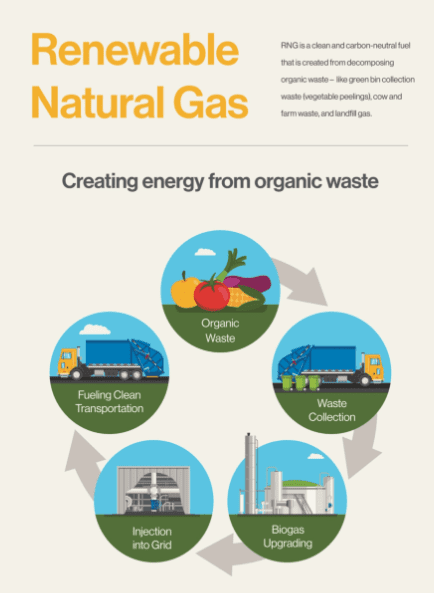
3. Renewable Natural Gas (RNG) Producers: RNG producers extract methane gas from landfills, wastewater treatment plants, agricultural operations, and other organic waste sources. This methane gas is then purified and upgraded to meet pipeline quality standards, allowing it to be injected into natural gas distribution networks. RNG producers offer a sustainable way to reduce methane emissions from organic waste sources while providing a renewable and carbon-neutral alternative to conventional natural gas.
4. Renewable Hydrogen Suppliers: Renewable hydrogen suppliers produce hydrogen gas using electrolysis technology powered by renewable electricity sources such as solar and wind. Hydrogen gas can be used directly for industrial processes, fuel cell vehicles, and energy storage applications. Additionally, hydrogen can be combined with carbon dioxide to produce synthetic methane or other renewable gas fuels. Renewable hydrogen suppliers offer a versatile and zero-emission energy solution for various sectors seeking to decarbonize their operations.
5. Green Gas Certification Bodies: Green gas certification bodies verify and certify the sustainability and origin of renewable gas products. These organizations ensure that renewable gas meets specific criteria for carbon reduction, waste diversion, and environmental sustainability. Green gas certification helps consumers and businesses make informed decisions about sourcing renewable gas and supporting renewable energy projects. Additionally, green gas certification plays a crucial role in promoting transparency and accountability within the renewable gas industry.
Overall, the diverse range of renewable gas providers offers customers a wide array of options for transitioning to cleaner and more sustainable energy sources. Whether through biogas, synthetic gas, renewable natural gas, renewable hydrogen, or green gas certification, renewable gas providers are driving the shift towards a greener energy future.
Benefits of Choosing Renewable Gas Providers
Renewable gas providers offer numerous benefits that make them a more sustainable and environmentally friendly choice compared to traditional gas providers.
One of the main advantages of choosing a renewable gas provider is the reduction of greenhouse gas emissions. Renewable gas is produced from organic materials such as food waste, agricultural residues, and wastewater, which are broken down through anaerobic digestion or thermal gasification processes. This process releases methane, a potent greenhouse gas, but by capturing and utilizing it as renewable gas, these providers prevent it from being released into the atmosphere. This helps to lower the carbon footprint of households and businesses that use renewable gas, contributing to the fight against climate change.
Furthermore, renewable gas providers often source their fuel locally, supporting the development of local economies and reducing reliance on imported fossil fuels. By investing in renewable gas, consumers can help create jobs in their communities and increase energy security by diversifying the sources of energy. In addition, using renewable gas can also help to stabilize energy prices, as it is produced from organic waste materials that are abundant and readily available, unlike finite fossil fuels that are subject to price fluctuations and geopolitical tensions.
Another benefit of choosing renewable gas providers is the promotion of a circular economy. By using organic waste materials to produce renewable gas, these providers help to close the loop on waste management, turning waste into a valuable resource. This not only reduces the amount of waste sent to landfills but also generates renewable energy that can be used to power homes, businesses, and vehicles. In this way, renewable gas providers contribute to a more sustainable and efficient use of resources, helping to conserve natural resources and reduce environmental pollution.
Lastly, opting for renewable gas providers can also enhance the reputation of individuals and organizations as environmentally responsible and socially conscious. By making a conscious choice to support renewable energy sources, consumers can demonstrate their commitment to sustainability and reduce their environmental impact. This can be particularly appealing to eco-conscious consumers who prioritize environmental stewardship and want to align their energy consumption with their values.
How Renewable Gas Providers are Impacting the Environment
Renewable gas providers play a crucial role in reducing the impact of traditional fossil fuels on the environment. By supplying renewable gases such as biogas, biomethane, and hydrogen, these providers are helping to decrease greenhouse gas emissions and promote sustainable energy practices.
One way renewable gas providers are impacting the environment is by reducing the reliance on fossil fuels for heating and transportation. Many households and businesses are switching from natural gas to renewable gas for their heating needs, which can significantly reduce carbon emissions and improve air quality. Additionally, renewable gas can be used as a clean alternative to gasoline and diesel in vehicles, further decreasing the carbon footprint of transportation.
Another benefit of renewable gas providers is their ability to divert organic waste from landfills and convert it into valuable energy. By capturing methane emissions from waste decomposition processes, these providers are not only producing renewable energy but also preventing harmful greenhouse gases from entering the atmosphere. This process helps to address the issue of food waste and reduce the environmental impact of landfilling organic materials.
Moreover, renewable gas providers are supporting the development of a circular economy by utilizing waste streams as feedstock for renewable gas production. By turning agricultural residues, sewage sludge, and other organic wastes into renewable gases, these providers are enabling a more sustainable approach to waste management and energy production. This closed-loop system helps to minimize waste generation and reduce the reliance on finite resources.
Additionally, renewable gas providers are contributing to the decarbonization of the energy sector by integrating renewable gases into existing infrastructure. By blending biogas or biomethane with natural gas in pipelines or injecting hydrogen into the gas grid, these providers are facilitating the transition to a low-carbon energy system. This flexibility and compatibility with the current gas infrastructure make renewable gases a viable option for reducing emissions and increasing the share of renewable energy sources.
In conclusion, renewable gas providers are playing a vital role in mitigating the environmental impacts of traditional fossil fuels. Through the production and distribution of renewable gases, these providers are helping to reduce greenhouse gas emissions, promote sustainable energy practices, and support the transition to a cleaner and greener future.
Future Trends in the Renewable Gas Provider Industry
As the world shifts towards a more sustainable future, the renewable gas provider industry is also experiencing significant changes and advancements. Here are some of the key trends shaping the future of this industry:
1. Expansion of Renewable Gas Production: One of the most prominent trends in the renewable gas provider industry is the expansion of renewable gas production. With advancements in technology and increasing demand for clean energy sources, more and more companies are investing in the production of renewable gas. This trend is expected to continue in the coming years, with a particular focus on biomethane and hydrogen production.
2. Increasing Collaboration and Partnerships: In order to accelerate the transition to renewable gas, companies in the industry are increasingly forming partnerships and collaborations. By working together, companies can leverage their expertise and resources to develop innovative solutions and scale up their operations. This trend is expected to drive further growth and innovation in the renewable gas provider industry.
3. Technological Advancements: Technological advancements play a crucial role in the renewable gas provider industry. Companies are constantly investing in research and development to improve the efficiency of renewable gas production processes and reduce costs. From advanced biogas upgrading technologies to innovative ways of producing hydrogen, technological advancements are driving the growth of the industry.
4. Policy Support and Regulations: Governments around the world are implementing policies and regulations to support the growth of the renewable gas provider industry. These include incentives for renewable gas production, carbon pricing mechanisms, and targets for renewable energy penetration. This regulatory support is crucial for driving investment in the industry and ensuring its long-term sustainability.
5. Integration with Renewable Energy Systems: A key trend shaping the future of the renewable gas provider industry is the integration of renewable gas production with other renewable energy systems. For example, renewable gas can be produced using excess renewable electricity generated from wind or solar farms through power-to-gas technology. This integration of different renewable energy sources is expected to optimize the overall energy system and enhance the flexibility and reliability of renewable gas production.
In conclusion, the renewable gas provider industry is undergoing rapid transformation, driven by technological advancements, policy support, and increasing collaboration among companies. The future of this industry looks bright, with a strong emphasis on expanding renewable gas production, integrating with other renewable energy systems, and driving innovation through partnerships. As the world continues to prioritize sustainability and clean energy sources, the renewable gas provider industry is poised for continued growth and success.
Originally posted 2024-10-09 09:28:35.